


There are small-moment conversations that happen at professional conferences that rarely appear in formal sessions. They take place between presentations, on the walk to the next room, at the coffee table, or while waiting for the next session to begin. These are the moments when evaluators and educators share the questions they are quietly carrying in their work.
In recent years, many of these conversations have centered on how to conduct responsible, meaningful evaluation when the conditions surrounding education and research are shifting rapidly. Across institutions and states, evaluators are navigating new constraints on language, data collection, and reporting, often while programs themselves face uncertainty about funding and sustainability.
As an evaluator, I am frequently asked questions like What do I do if I am not permitted to ask questions that help me understand who a program is reaching? Or, how do I evaluate program impact when certain terms, constructs, or data points are no longer available to me?
These questions are not abstract. They reflect the real tension among accountability, ethics, and feasibility that many evaluators are experiencing today. While it can be tempting to respond with firm statements about funder expectations or evaluator responsibility, experience has taught me that navigating these realities requires adaptability, transparency, and care.
Over time, I have found three practices especially helpful.
First, understand the local context in which the evaluation is taking place.
Policies, guidance, and institutional interpretations vary widely. Staying informed helps evaluators avoid assumptions and anticipate constraints before instruments are deployed or reports are drafted. This awareness supports more thoughtful planning and fewer reactive adjustments later.
Second, work closely and proactively with project leadership.
Regular communication enables evaluators and project teams to align on the information essential to understanding program implementation and outcomes. When traditional data sources are limited, evaluators can often work creatively with teams to adjust language, embed context into primary instruments, or focus on outcomes that still speak clearly to participation, experience, and impact.
Third, lead with care rather than frustration.
Many project leaders are navigating significant pressure related to compliance, reporting, and funding stability. Evaluation can serve as a stabilizing force by helping teams reflect on what is working, identify unintended consequences, and make informed decisions with the data that is available. Again and again, I have seen educators respond to constraint with innovation, finding ways to remain responsive to learners even as the parameters of their work change.
In moments like these, evaluation is not only about measurement. It is about stewardship, trust, and ensuring that programs remain grounded in their purpose, even as the broader landscape continues to shift.
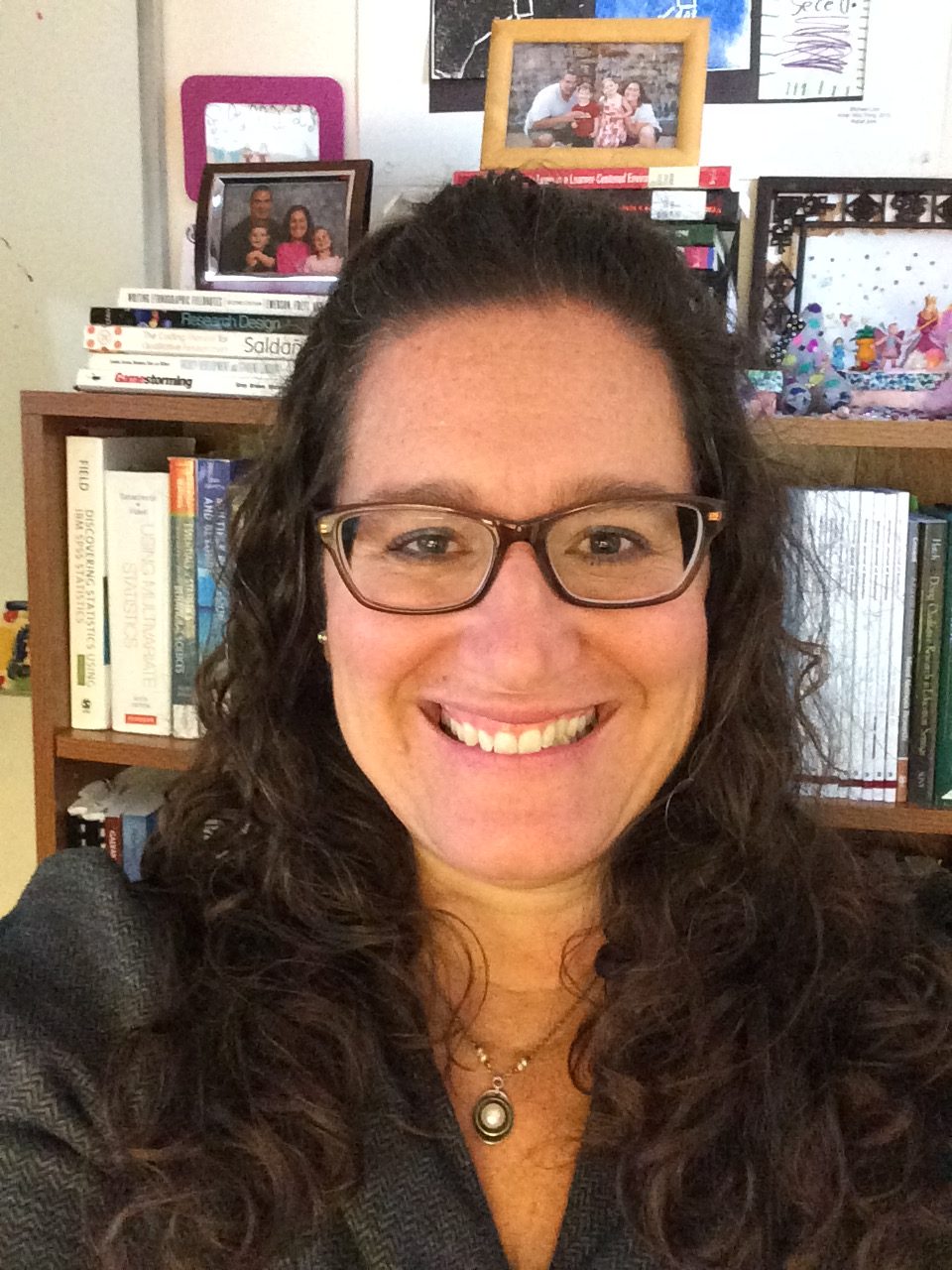
Sondra LoRe
Principal Consultant, SPEAR (STEM Program Evaluation, Assessment & Research)Sondra has joyfully served as an educator, program evaluator, and researcher for over two decades. She works on evaluation projects across the United States, and her most recent research highlights the importance of culturally responsive program evaluation and of community engagement that centers diversity, equity, inclusion, and accessibility (DEIA). When she isn't evaluating and presenting, you can find her in her favorite place - the classroom - teaching emerging educators and early fans of quantitative literacy.

Except where noted, all content on this website is licensed under a Creative Commons Attribution-NonCommercial-ShareAlike 4.0 International License.



 EvaluATE is supported by the National Science Foundation under grant number 2332143. Any opinions, findings, and conclusions or recommendations expressed on this site are those of the authors and do not necessarily reflect the views of the National Science Foundation.