

What evaluation approaches inform your practice? Do you gravitate more toward quantitative, qualitative, or mixed methods?
My evaluation practice is grounded in a commitment to equity and utility, which is why I implement a culturally responsive and equitable evaluation framework with an assets-based lens. I value the lived experiences and cultures of the communities I’ve served by involving them (to the extent they desire) in my evaluation practice. Dedicated to elevating community voices, I gravitate more toward qualitative evaluation, though I’ve done extensive explanatory mixed-methods work throughout my career.
Tell us about a particularly fulfilling evaluation project you’ve been involved in. What makes it stand out to you?
My most fulfilling evaluation project was a community-participatory evaluation of a local nonprofit’s multilevel strategy to address systemic racism in Atlanta housing and its impact on health.
From the start, we recruited residents to join an evaluation advisory committee. They were compensated for their time and thought leadership. They helped shape the process, including identifying their ideal data collectors.
As a result, we hired a respected resident to join our team, who facilitated focus groups and led data collection. We shared preliminary findings with residents before presenting to leadership and the broader community. Leadership immediately used the findings to drive organizational change.
Why did you become an evaluator?
Naturally, I am an inquisitive person. I love asking questions and understanding the world around me (though sometimes it annoys my family members!). I got into evaluation because I want to support organizations in improving their programs for the people they serve. I enjoy figuring out what has been successful, what hasn’t, and why. I also love talking with the individuals who benefit from these programs and uplifting their voices in the findings and recommendations I share with organizations. I see evaluation not just as a learning process but as a path toward equity and lasting positive change.
How do you build trust with projects you’re evaluating?
The best way to build trust is to be trustworthy. Be a genuine person of integrity. Do what you say you will do. Tell the truth, even when it’s hard. Spend time in the community you are serving. Attend community events to which you’ve been invited when you can.
Ask how someone is doing and hold space for their answer. Follow up on how they said they are doing. Share your humanness with them (I often talk about life outside of work¾my family and personal interests).
I build trust like how I would build a friendship with others. In both cases, trust is built over time, so I remain patient and continue to show up for and in the community. And after the project, I try to remain in contact with the community, because I view it as a longstanding relationship.
Share a memorable adventure or travel experience you’ve had.
One of my most memorable travel experiences was visiting Ghana, where my family is from, for the first time in 2016. I had the chance to visit my parents’ hometown and imagine what it was like for them to grow up there as Ghana transitioned from a British colony to an independent nation. I met family members whom I had heard about but only seen in photos. I roamed through cities as a semi-tourist. I saw advertisements with people who looked like me. It felt like home, while in actuality it was an entirely new experience.
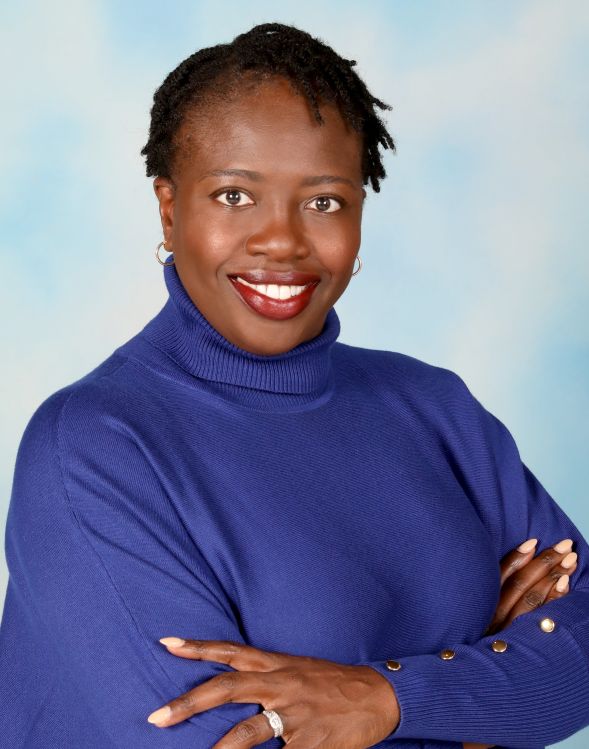
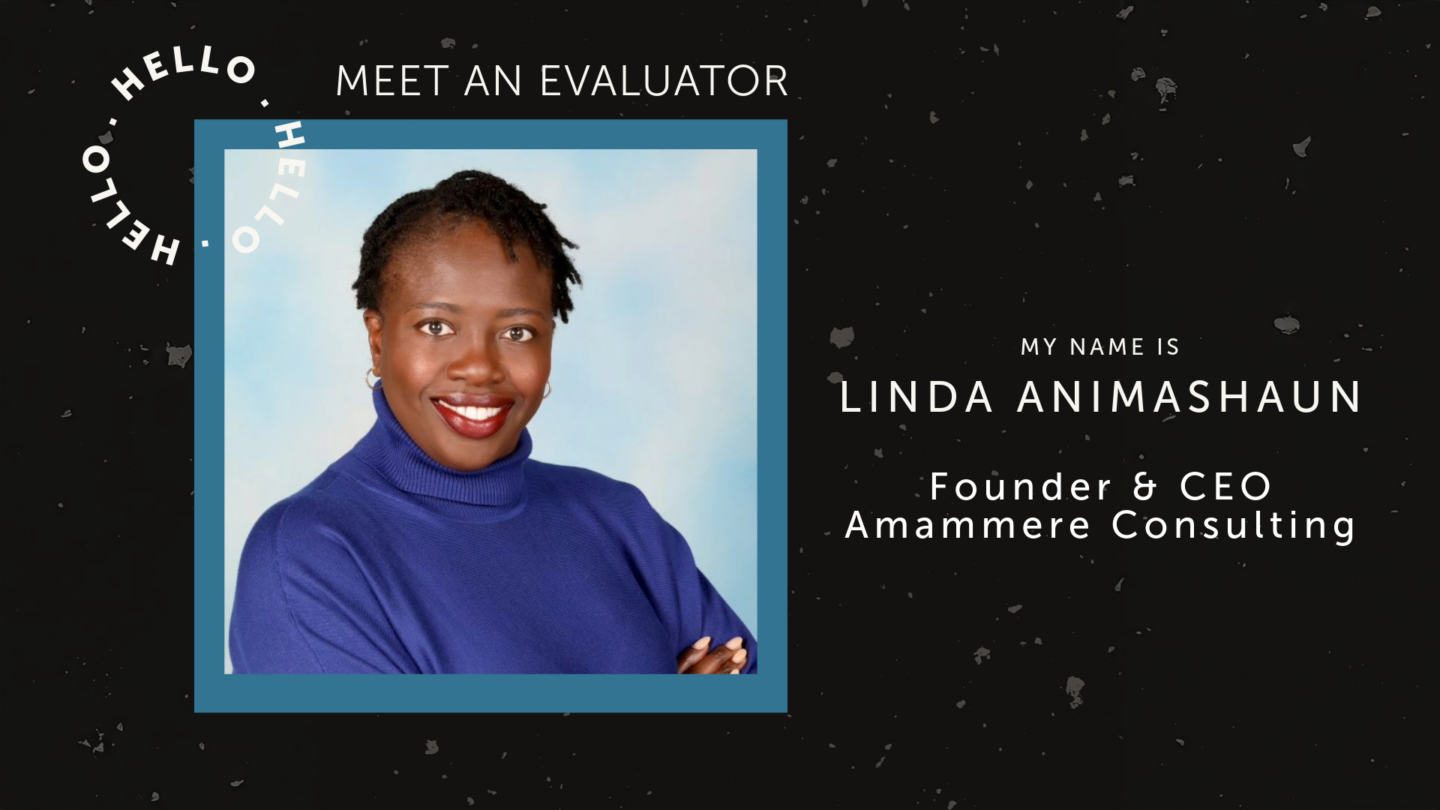
Linda Animashaun
Founder and CEO, Amammere ConsultingDr. Linda Animashaun is the founder and CEO of Amammere Consulting, an equity-focused evaluation firm that advances public health through community-rooted insights and action. She has over fifteen years of experience in health equity research and evaluation, working with federal agencies, nonprofits, foundations, and community-based organizations. Her passion for equity stems from her lived experiences and her previous career as a fifth-grade math, science, and social studies educator in Houston, Texas. Her current work centers on the determinants of chronic disease, and she specializes in designing and implementing evaluations that reveal the stories behind the data, empowering organizations to understand, strengthen, and sustain the impact of their work. Dr. Animashaun holds a BA from Columbia University, an MPH from Emory University, and a DrPH from Georgia Southern University.

Except where noted, all content on this website is licensed under a Creative Commons Attribution-NonCommercial-ShareAlike 4.0 International License.



 EvaluATE is supported by the National Science Foundation under grant number 2332143. Any opinions, findings, and conclusions or recommendations expressed on this site are those of the authors and do not necessarily reflect the views of the National Science Foundation.