

About the Evaluator
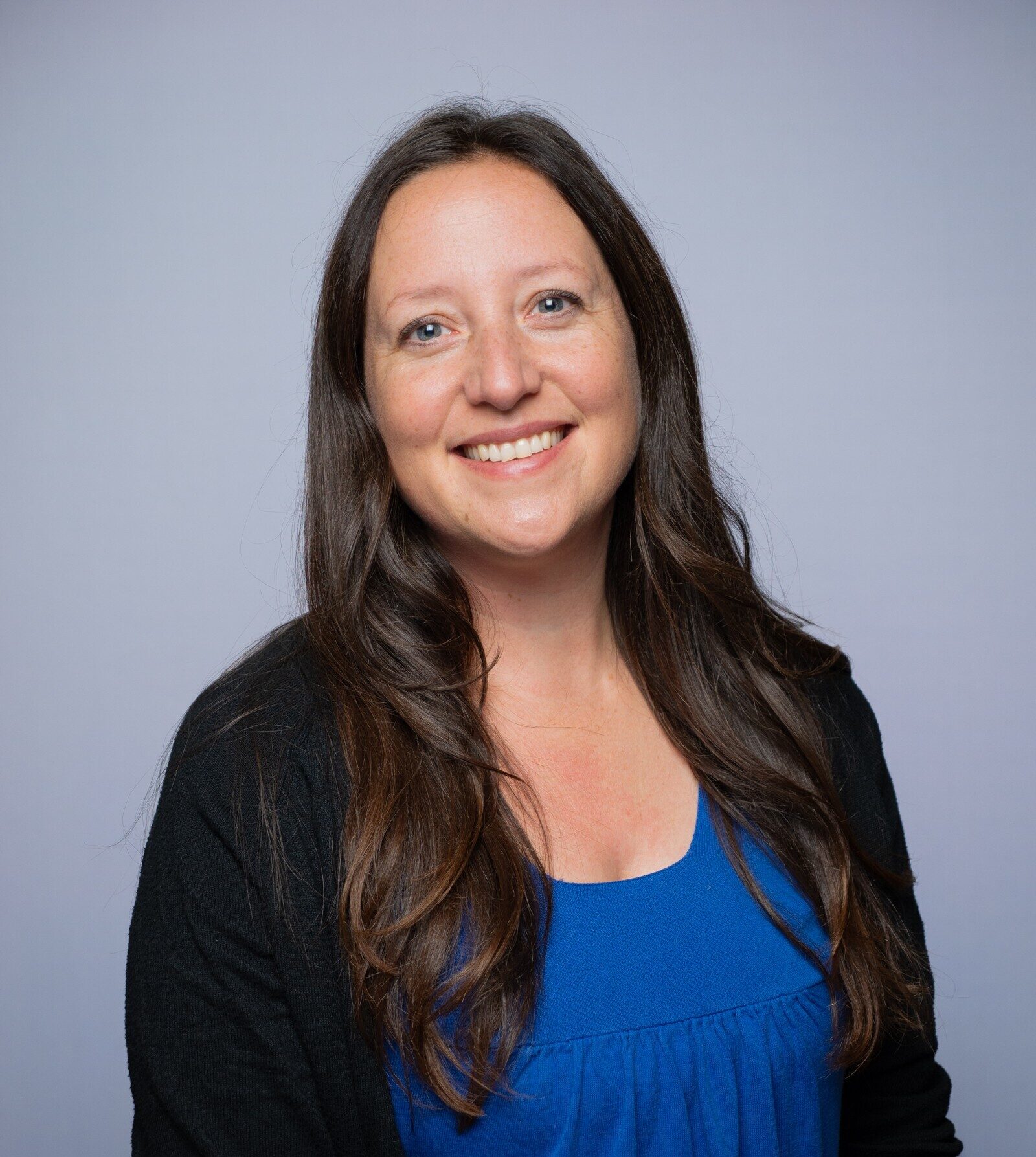
I am an evaluation scientist at Montana State University’s Social Data Collection and Analysis Services core facility. I have extensive training in causal inference (experimental and quasi-experimental design), survey design and sampling, and statistical analysis. I bring over a decade of experience using quantitative and qualitative methods in research and evaluation, and I enjoy working across disciplines. My work is collaborative, with a strong focus on utilization and intention. I have worked with nonprofit organizations to facilitate strategic planning, and I served as an evaluation specialist for the National Oceanic and Atmospheric Administration, the U.S. General Services Administration, and the U.S. Office of Personnel Management. I got my start as a staff researcher at the Scripps Institution of Oceanography whale acoustics lab and I’m always happy to answer questions about whales.
Evaluation Background
I specialize in...
- Qualitative methods
- Quantitative methods
- Mixed methods
- Developmental evaluation
- Participatory evaluation approaches
- Theory-driven evaluation
- Utilization-focused evaluation
I have worked with projects in the areas of:
- NSF projects other than ATE (e.g., IUSE, S-STEM, AISL, HSI, ADVANCE)
- STEM education projects supported by funder other than NSF
Training and Certifications
- Professional development workshops, webinars, or online courses on evaluation
Outside of Work, I enjoy...
…nature walks, cooking, traveling, gardening, and reading.
A Successful Evaluation...
…meets information needs through clear objectives and rigorous design, including utilization-focused data collection and analysis planning.
My Working Style...
…is collaborative and intentional. I’m an active listener intent on understanding my client’s needs and motivations to ensure our work is efficient and productive.
 EvaluATE is supported by the National Science Foundation under grant number 2332143. Any opinions, findings, and conclusions or recommendations expressed on this site are those of the authors and do not necessarily reflect the views of the National Science Foundation.