

About the Evaluator
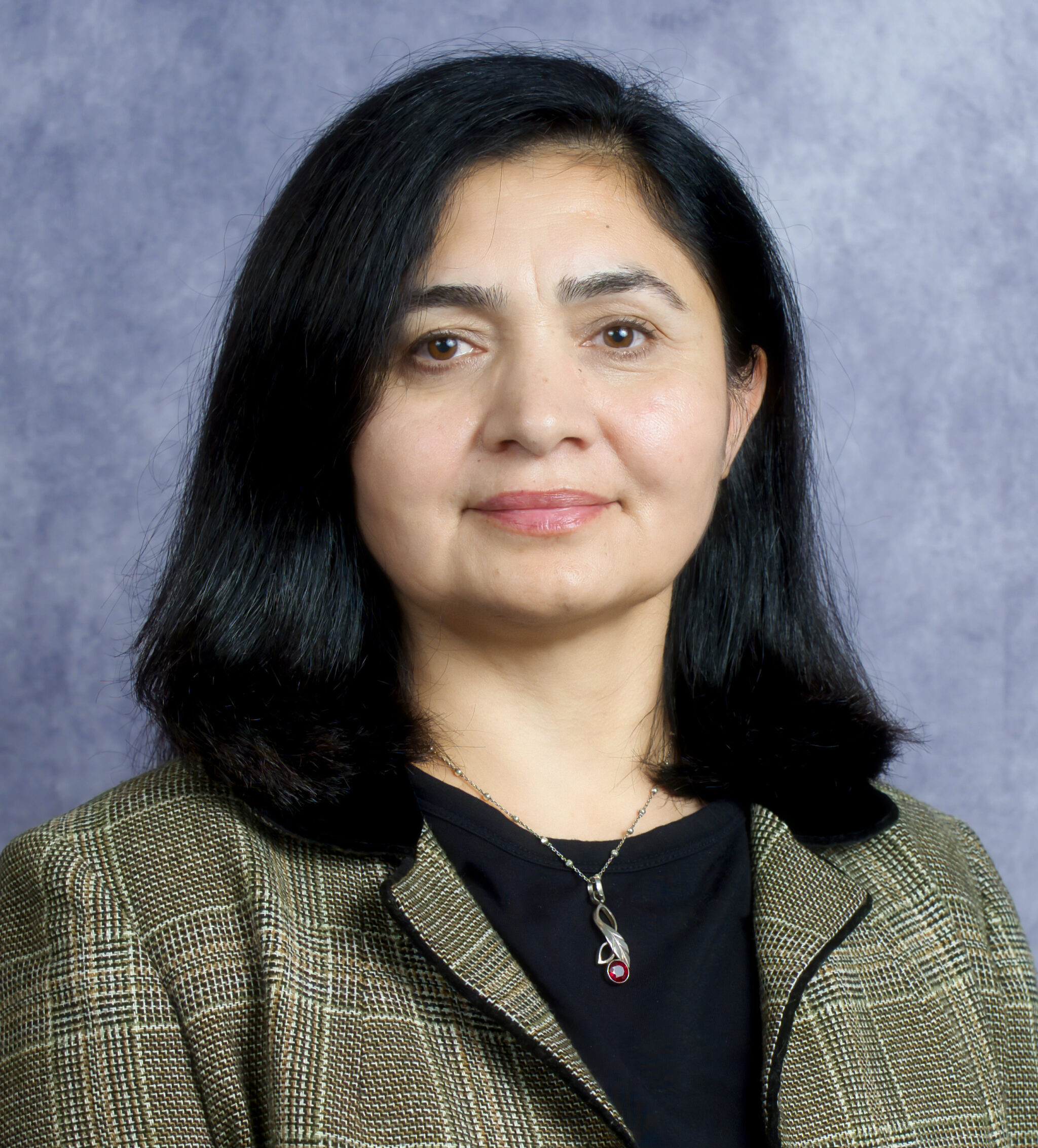
Nahida Begum, Ph.D., has more than 15 years of research and evaluation (R&E) experience in multisectoral policy areas, including education, health, environment, and youth development. Previously, she worked in Pakistan conducting formative and summative evaluations of community development programs funded by USAID, USEPA, the World Bank, and other development agencies. As a Fulbright grantee, she graduated from UNC Charlotte in 2018 with a Ph.D. in Public Policy, concentrating on education and environment policies. Dr. Begum has experience in designing and operationalizing R&E in remote regions as well as nationwide surveys. She has applied participatory, qualitative, quantitative, and mixed methods approaches to her research and evaluation work. She is a senior evaluator with Assessment Resource Center and a member of the American Evaluation Association (AEA).
Evaluation Background
I specialize in...
- Qualitative methods
- Quantitative methods
- Mixed methods
- Culturally responsive evaluation
- Developmental evaluation
- Empowerment evaluation
- Participatory evaluation approaches
- Theory-driven evaluation
- Utilization-focused evaluation
I have worked with projects in the areas of:
- NSF projects other than ATE (e.g., IUSE, S-STEM, AISL, HSI, ADVANCE)
- Projects at two-year colleges
- STEM education projects supported by funder other than NSF
Training and Certifications
-
Certificate in evaluation
-
Graduate coursework in evaluation
-
Professional development workshops, webinars, or online courses on evaluation
Outside of Work, I enjoy...
…reading, hiking, and spending time with my family.
A Successful Evaluation...
…knows “what works, for whom, and in what contexts”
My Working Style...
…is context-based with a facilitative approach.
 EvaluATE is supported by the National Science Foundation under grant number 2332143. Any opinions, findings, and conclusions or recommendations expressed on this site are those of the authors and do not necessarily reflect the views of the National Science Foundation.