


Q: In your view, what makes a successful evaluation?
A: A successful evaluation generates rigorous, actionable insights that reflect the full scope of a project’s impact—across all groups it aims to serve. This requires the intentional inclusion of diverse perspectives, especially from underserved or historically marginalized communities. When researchers fail to engage those most affected by an initiative, they often miss key explanatory factors—why something is or isn’t working, under what conditions, and for whom.
Mixed-methods approaches strengthen evaluations by combining quantitative data with qualitative insights that help explain not just what is happening, but why and how. This level of depth is essential for developing strategic improvements, understanding real-world effectiveness, and ensuring that interventions are truly aligned with the needs and realities of the communities they aim to serve.
Q: How would you describe your working style?
A: I would describe my working style as highly collaborative, flexible, and community-centered. I believe in building strong, authentic partnerships with clients and stakeholders, ensuring their perspectives are woven into every phase of the evaluation process. I prioritize transparency and open communication, making sure everyone involved understands the purpose, methods, and goals of the evaluation.
As a researcher myself, I also understand and value the importance of grounding evaluation methods and questions in scientific literature. I lean into existing research to ensure that my approach is both effective and informed by best practices. I also value continuous learning and adaptability. I make space for feedback throughout the project and am always ready to adjust strategies to better align with the evolving needs of the project or the community.
My goal is to empower clients by equipping them with not only the data but also the knowledge to use that data strategically. I work alongside them to ensure the evaluation process is meaningful and contributes to their long-term success.
Q: What evaluation approaches inform your practice? Do you gravitate more toward quantitative, qualitative, or mixed methods?
A: My evaluation practice is primarily informed by a mixed-methods approach. I believe that combining both quantitative and qualitative methods provides a more comprehensive understanding of a project’s impact. Quantitative data is invaluable for identifying patterns, measuring outcomes, and assessing trends. However, it is the qualitative insights that provide the context—helping to explain why those patterns exist, how they play out in real-world settings, and the lived experiences behind the numbers.
I gravitate toward mixed methods because they allow me to present a fuller picture of a program’s effectiveness. The ability to integrate both data types ensures that the evaluation reflects not only what is happening but also why it matters to the communities involved. This approach is especially important when evaluating initiatives aimed at underserved populations, as it helps capture nuances that purely quantitative data might miss.
Q: Tell us about a particularly fulfilling evaluation project you’ve been involved in. What makes it stand out to you?
A: One project that stands out as especially meaningful was a comprehensive needs assessment I led for a large urban school district. The goal was to better understand how socio-emotional health, racial climate, and college access and success intersect to shape outcomes for underrepresented, first-generation college students. What made this project so fulfilling was the depth and breadth of stakeholder engagement—we gathered data through surveys, interviews, and focus groups with students, parents, teachers, school counselors, and alumni, in both English and Spanish.
It was a truly mixed-methods evaluation designed to lift up both measurable trends and lived experiences. We provided strategic recommendations for curriculum development, professional learning, and systemic changes to foster a more inclusive, emotionally supportive learning environment. Watching the district use the findings to implement initiatives that directly support student well-being and pathways to college was incredibly rewarding—and a reminder of the transformative power of thoughtful, equity-centered evaluation.
Q: How do you build trust with projects you’re evaluating?
A: Building trust starts with creating a transparent and collaborative environment. I make it a priority to listen actively and understand the unique needs, concerns, and goals of the stakeholders involved in the project. Clear communication is key—I ensure everyone understands the evaluation process, the purpose behind it, and how their input will contribute to meaningful outcomes.
I also value creating feedback loops throughout the process. This ensures that we’re not just extracting data, but also sharing insights back within the organization and with those who contributed to the evaluation. By bringing in important partners and involving participants in interpreting and discussing the findings, I help my clients build trust with those they are serving. This approach fosters a sense of ownership and strengthens relationships, ensuring that the evaluation is not just a one-way process but an ongoing dialogue that supports long-term success.
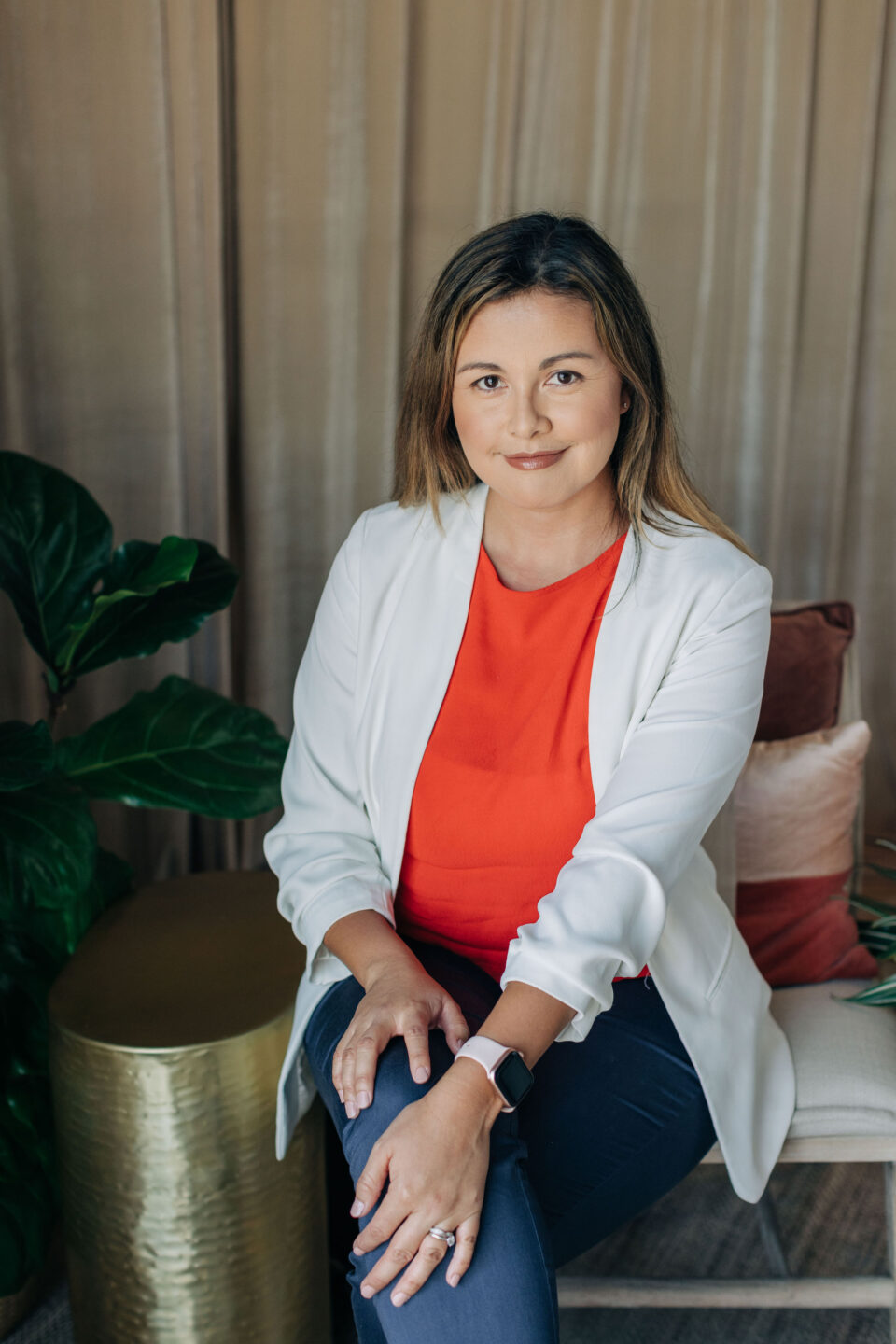
Dr. Gina Vanegas
CEO & Principal Investigator, Health & Inclusivity LLCDr. Gina Vanegas is an experienced evaluator and equity-focused researcher committed to advancing inclusive practices in STEM education. As a bilingual (Spanish) and bicultural professional, she has experience working with diverse underserved populations, including Indigenous communities and farmworkers, designing culturally responsive evaluations that elevate voices often excluded from traditional data. She partners with institutions—especially those serving underserved communities—to create evaluation strategies grounded in inclusion and justice. With a PhD in counseling psychology from UC Santa Barbara, she is trained in both qualitative and quantitative methods, specializing in participatory, strengths-based approaches. She uses a mixed-methods approach to ensure data tells a complete story—where quantitative findings highlight patterns and qualitative insights reveal context and lived experiences, especially in communities that value oral traditions. Her work supports strategic decision-making, resource allocation, and funding success. As a researcher, she has co-authored publications and presented nationally and internationally on access, equity, and inclusive practices in evaluation. Clients value her collaborative style and the learning experience she offers, including best practices in equitable evaluation. She aims to leave organizations with both data and the tools to continue meaningful, community-centered evaluation work.

Except where noted, all content on this website is licensed under a Creative Commons Attribution-NonCommercial-ShareAlike 4.0 International License.



 EvaluATE is supported by the National Science Foundation under grant number 2332143. Any opinions, findings, and conclusions or recommendations expressed on this site are those of the authors and do not necessarily reflect the views of the National Science Foundation.